Glazier Shul in Chisinau – The Synagogue That Survived the Generations and Became the Heart of Jewish Life in Moldova

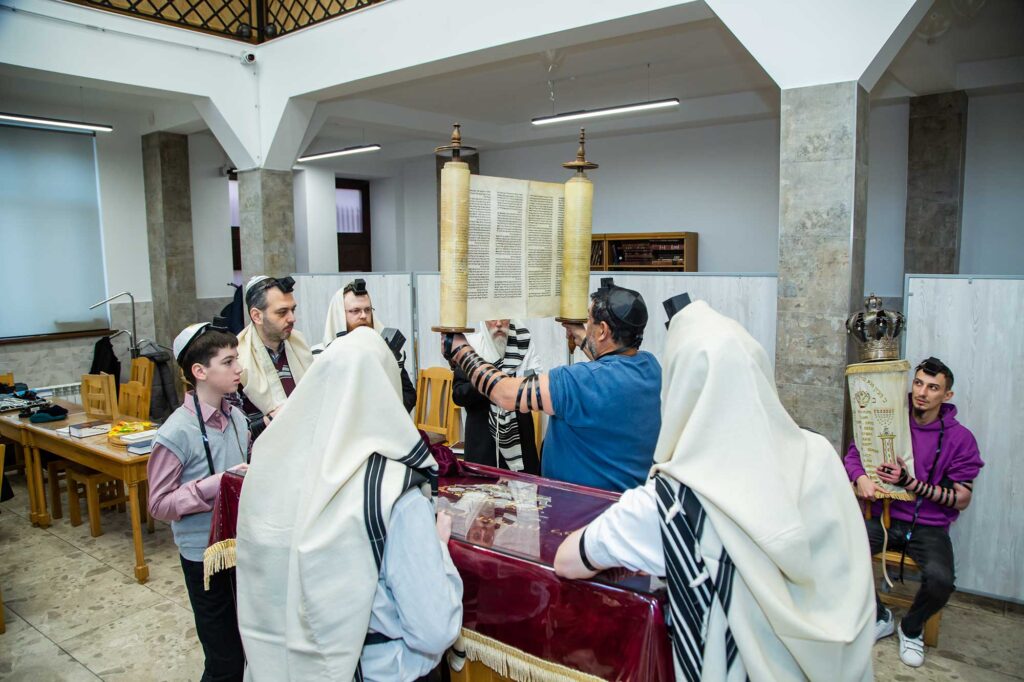
In the heart of Chisinau, among the quiet streets of Moldova’s capital, stands one of the most important Jewish landmarks in the country – Glazier Shul. This historic synagogue, known today as the central synagogue of Chabad in Chisinau, is far more than a place of prayer. Its walls tell the story of an entire community – a story of faith, survival, and renewal.
It is a story that begins when Chisinau was one of the major Jewish cities of Eastern Europe and continues to this day, as the synagogue serves as a vibrant Jewish center, a refuge for displaced families, a warm stop for pilgrims traveling to Uman, and a gathering place for Jews from around the world.
Chisinau – A Great Jewish City
Until World War II, Chisinau was one of the most important Jewish centers in the region. Tens of thousands of Jews lived in the city, operating businesses, schools, study halls, newspapers, and diverse communal institutions. The streets echoed with Yiddish, Hebrew, and Russian.
The city is also remembered for the Kishinev Pogrom, a traumatic event that shocked the Jewish world and became a symbol of Jewish vulnerability in Eastern Europe.
Afterward came war, occupation, and Soviet rule, during which most Jewish religious institutions were gradually closed.

Origin of the Name
The name Glazier Shul comes from the Yiddish/German word Glazier / Glaser, meaning a glazier – a craftsman who works with glass and windows.
At that time it was common for different professions to establish their own synagogues: tailors, carpenters, butchers, merchants, and glaziers. The meaning of the name is therefore simple and clear – the synagogue of the glaziers.
Some sources also note that the synagogue served other craftsmen, including bookbinders, making it an important communal center for the Jewish working class of the city.
A Historic Building
As with many historic buildings in Eastern Europe, there are several versions regarding the construction date. Some point to 1886, others mention 1888, while additional sources cite 1896–1898. Some researchers believe that a major renovation or expansion took place around 1910.
In any case, it is clear that this is a synagogue more than a century old, standing from the era when Jewish Chisinau was at its height.
The building was considered impressive for its time, with a spacious prayer hall, a women’s gallery on the upper floor, an inner courtyard, and side wings used for offices and storage. Nearby there was once a matzah bakery serving the Jewish community before Passover.
Older accounts describe decorated ceilings and interior ornamentation, some of which were lost over time – yet the spirit of the place remained.

Survival Through Soviet Rule and War
One of the most remarkable chapters in the history of Glazier Shul is that for many years it was the only legal synagogue operating in Chisinau, and at times the only one in all of Moldova.
When dozens of synagogues were closed by the communist authorities, this synagogue continued to function quietly and consistently. Jews from across the region came for Shabbat, holidays, circumcisions, memorial prayers, and the High Holy Days.
During years when Jewish life seemed close to disappearing, Glazier Shul kept the flame alive.
During World War II and the Romanian-Nazi occupation, the building was damaged and closed. The Jewish community of Chisinau itself suffered devastating losses.
After the war, the synagogue was restored and reopened in 1946 by survivors and the remaining Jewish community. Its reopening symbolized spiritual victory – Jewish life returning to the very place others had tried to destroy.
A Center of Hope and Renewal
In the 1970s, when many Jews in the Soviet Union sought to immigrate to Israel and were refused, Glazier Shul became a place of hope. Refuseniks, Jewish activists, and community members met near the synagogue, exchanged information, encouraged one another, and quietly preserved Jewish identity under Soviet surveillance.
After the fall of the Soviet Union, emissaries of Chabad, Rabbi Zalman Abelsky of blessed memory and his wife Leah, arrived in Chisinau and began rebuilding Jewish communal life.
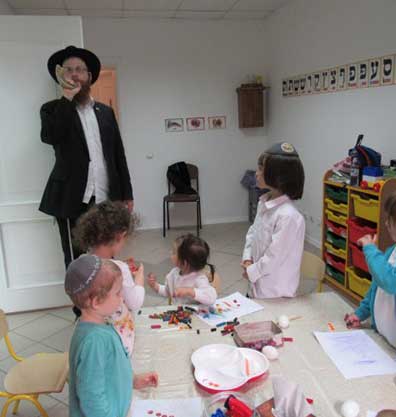
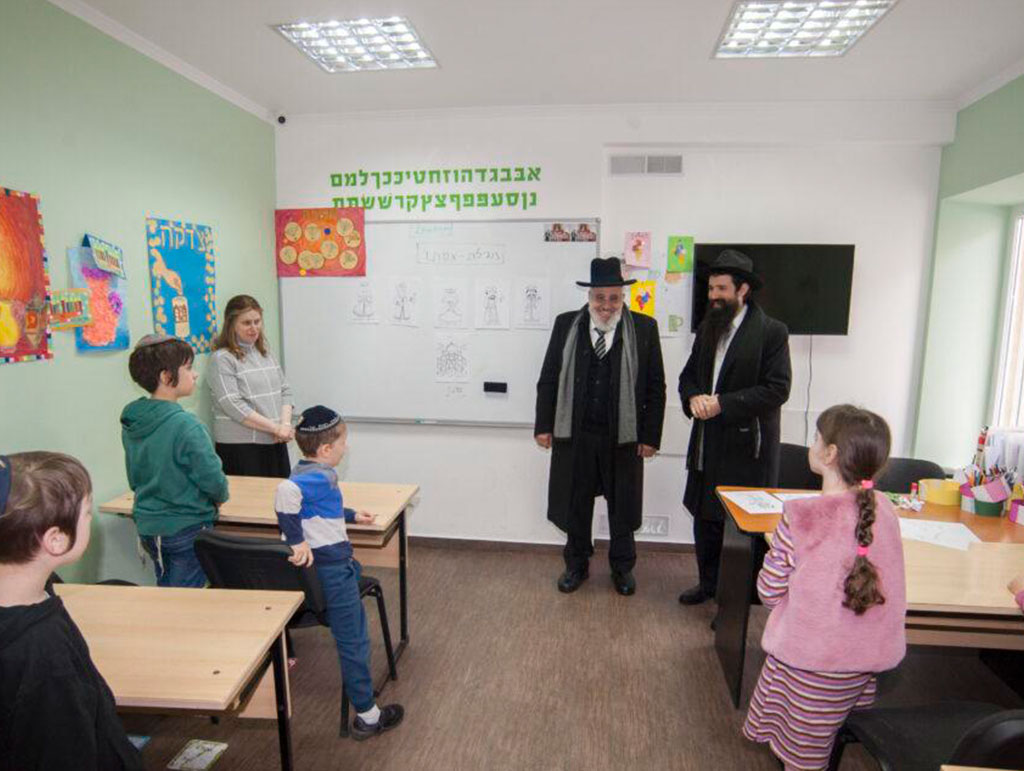
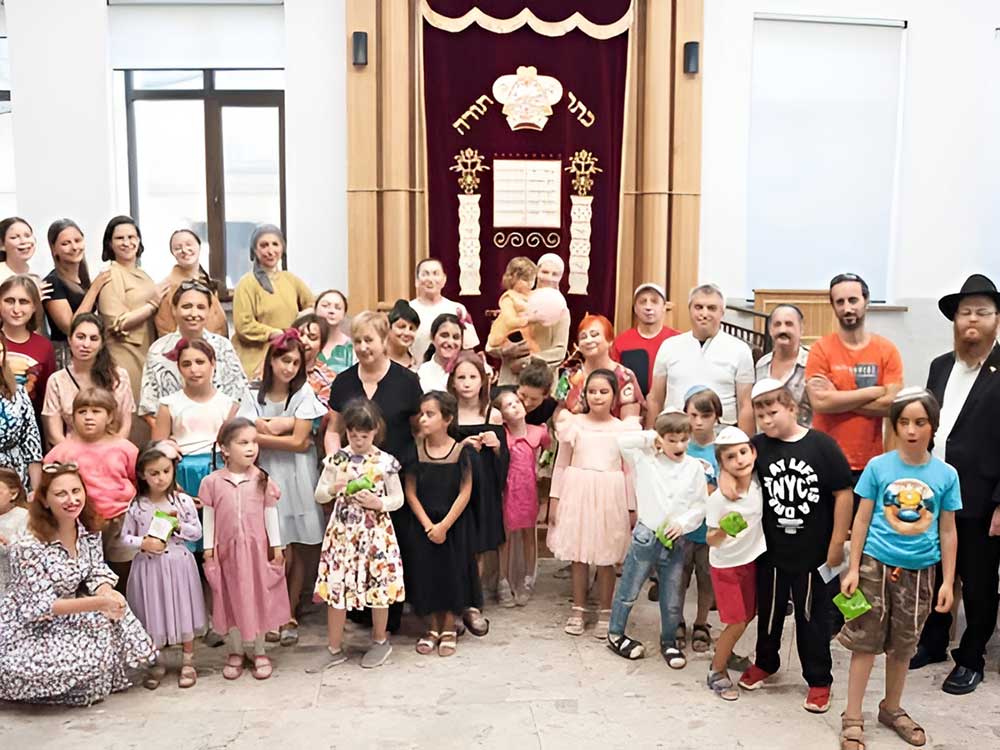
Since then, Glazier Shul has become the active Jewish center of the city, hosting daily and Shabbat prayers, Torah classes, public holiday events, aid for the elderly and needy, communal gatherings, religious services, and hospitality for visitors and Israelis.
For many visitors to Moldova, this is the first and central Jewish home they encounter.
A Home for Ukrainian Refugees in 2022
When war broke out in Ukraine in 2022, Moldova became a transit country and refuge for hundreds of thousands of displaced people. Within days, the Jewish community of Chisinau mobilized, and the Chabad synagogue became an active emergency center for tens of thousands of Jews.
Food, drinks, medicine, clothing, guidance, and family assistance were provided there. Many found a place to rest, pray, charge phones, receive comfort, and continue their journey to other countries.
Chabad Moldova also rented housing outside the city to shelter refugees until they could continue onward.
In those days, the synagogue returned to its historic mission: not only a house of prayer, but truly a home for every Jew in time of need.
Gateway for Travelers to Uman
During the war years, Chisinau became a major gateway for thousands traveling to Uman, especially before Rosh Hashanah to visit the grave of Rabbi Nachman of Breslov.
During travel seasons, the synagogue welcomes Jews from around the world, providing prayer space, kosher food, rest, logistical help, information, and support when needed.
For many travelers, the stop in Chisinau and at the synagogue offers a moment of relief, Jewish warmth, and a sense of home on the way to a spiritual journey.
A Symbol of Jewish Continuity
Out of the many synagogues that once operated in Chisinau in the early twentieth century, most were destroyed, closed, or converted to other uses. Glazier Shul is one of the few that remain active.
It connects three worlds: the Jewish craftsmen of old Chisinau, the survival of Soviet-era Judaism, and the modern Jewish revival of today.
And in truth, a fourth world as well: a Judaism of kindness, hospitality, and mutual responsibility in times of crisis.
Glazier Shul is not merely a synagogue. It is a living testimony to the strength of Jewish Chisinau and to the enduring spirit of the Jewish people.